

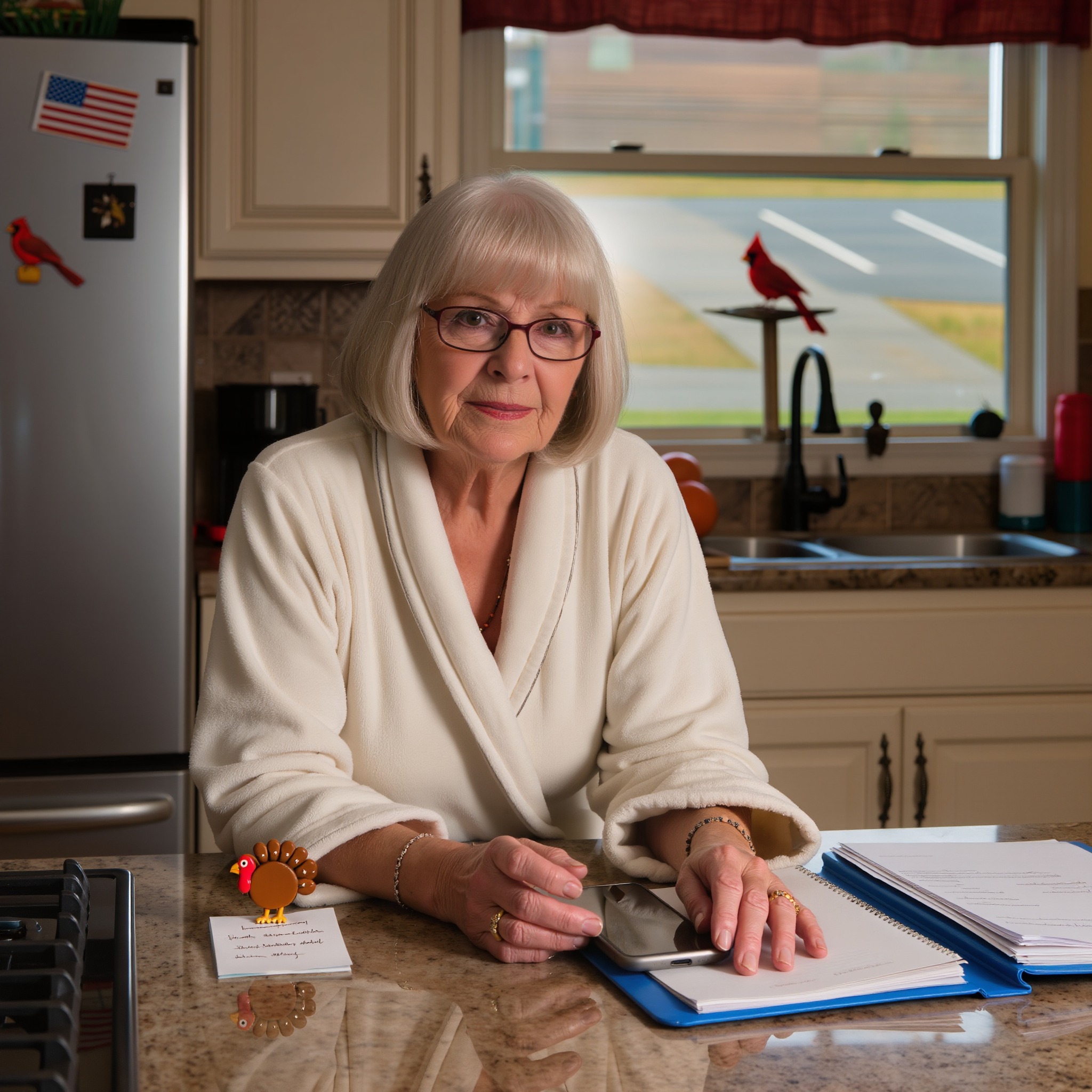
That’s how long my peace lasted before the storm arrived.
I’d spent those days settling in, learning the rhythms of my new life: morning coffee on the balcony, afternoon walks around the neighborhood, evening tea while reading books I’d been meaning to get to for years. Ruth stopped by twice more, and I’d met a few other neighbors. Everyone was friendly but not intrusive. Exactly the balance I needed.
On Wednesday evening, I was making dinner when my phone started buzzing. I’d left it on the charger in my bedroom, so at first I didn’t hear it, but when I went to change into my pajamas after eating, I found it lit up and vibrating insistently.
18 missed calls.
I picked it up, looking at the screen. Michael’s name appeared again and again, interspersed with Amanda’s. There were also a few calls from numbers I didn’t recognize.
My finger hovered over the screen for a moment. Part of me wanted to answer, to hear what had happened, to know if they were all right. But a larger part of me—the part that had been quietly growing stronger all week—told me to wait.
So I did.
I made myself a cup of chamomile tea and carried the phone to the living room. I sat on my sofa—the one I’d paid for and moved and now got to enjoy in peace—and opened my messages.
The first one was from Amanda, sent that afternoon at 3:47 p.m.
Mom, we just got home. Where are you? Please call us.
The next one came ten minutes later.
Mom, this isn’t funny. Something’s happened to the house. Call me right now.
Then Michael’s texts started appearing.
Mom, please answer your phone. The house was robbed. Everything’s gone. We need to talk to you immediately.
Mom, I’m worried. Where are you?
I sipped my tea slowly, reading each message with the same calm detachment I might read the newspaper.
There were voicemails too—seven of them.
I put the phone on speaker and listened.
The first one was Amanda’s voice, high-pitched and strained.
“Mom—oh my God—Mom, where are you? We came home and the house is empty. Someone took everything. The TV, the furniture, even the refrigerator. We’re calling the police. Please, please call us back.”
The second was Michael trying to sound calm, but failing.
“Mom, it’s me. Listen, something’s happened while we were gone. I need you to call me as soon as you get this. It’s important.”
The messages grew more frantic as they went on—Amanda crying, Michael’s voice getting sharper, more demanding. Both of them asking where I was, if I was safe, what I knew.
I finished my tea and set the cup down gently.
Then I did something I’d set up before I left—something I’d planned carefully, even though I hadn’t been certain I’d need it.
I opened the Ring camera app on my phone.
Michael had installed the system two years ago, wanting to monitor packages and keep an eye on the house when they were away. He’d added me to the account so I could check on things when I was out. I’d never removed my access.
The camera feed was still active.