

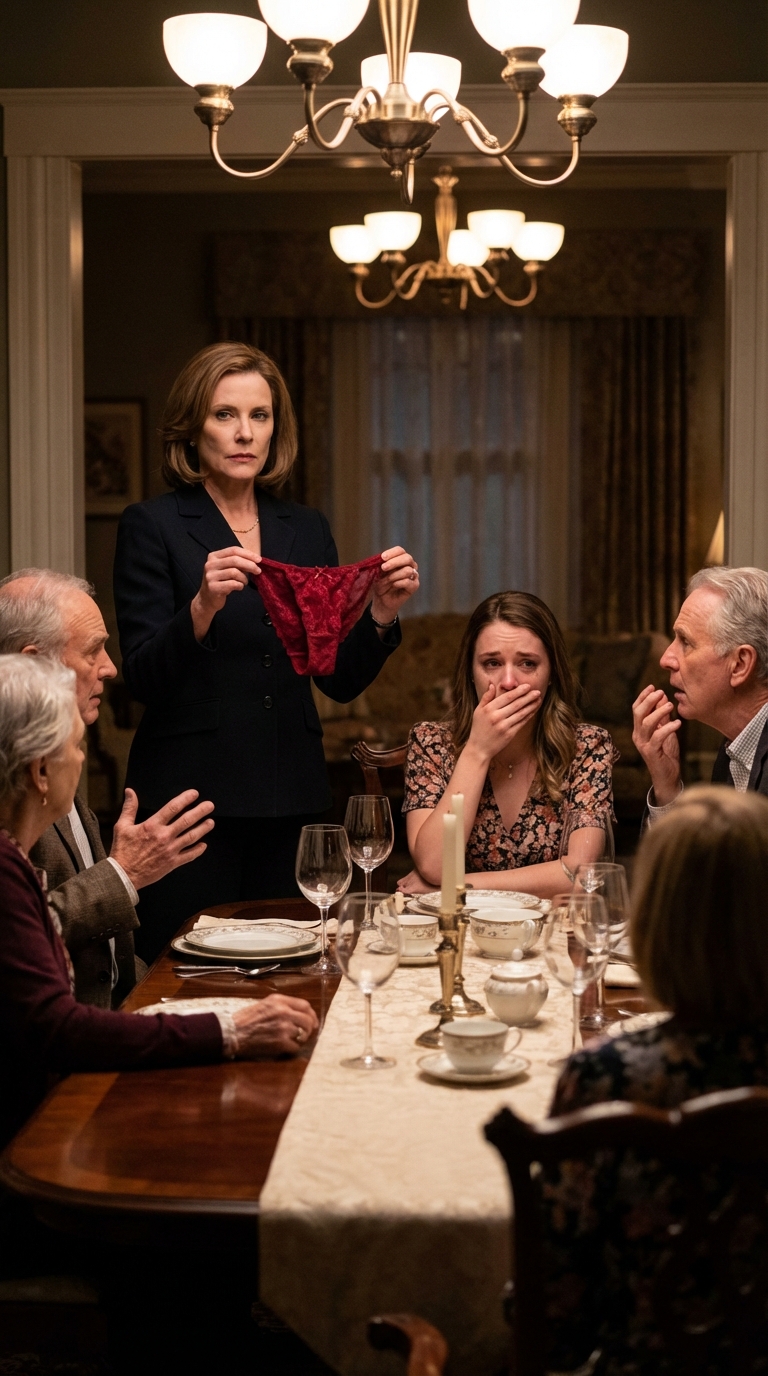
I reviewed bank statements. I documented everything. Infidelity leaves a paper trail if you know where to look, and Daniel, in his arrogance, had been sloppy.
Sophia tried to contact me twice. Once via a long, rambling Instagram message apologizing but claiming they “couldn’t help falling in love.” The second was a voicemail, sounding tearful, asking me to take down a post I hadn’t even made. Her world was collapsing in a different way. Her family, old-money and proud, had distanced themselves. The embarrassment of the party was the talk of the town. Her polished image hadn’t just cracked; it had shattered.
She wasn’t a villain from a drama series—just someone who made selfish choices and underestimated the consequences of playing with fire.
At work, Daniel’s reputation suffered. In our mid-sized city, news travels faster than light. People whispered when he entered conference rooms. Clients who valued “family values” quietly moved their portfolios to other firms. Trust eroded.
The divorce process was methodical, almost surgical. There were no dramatic courtroom scenes, just facts laid bare in a sterile conference room. When the settlement was finalized, I felt something unexpected.
It wasn’t victory. It wasn’t joy. It was relief.
One afternoon, as I packed the last of Daniel’s things into cardboard boxes—he was moving into a small condo downtown—I found another reminder of his double life tucked into a book. It was a handwritten note, likely an aborted draft of a letter to Sophia, promising her that he would leave me “when the time was right.”
I held the note for a moment. A year ago, this would have destroyed me. Now? I threw it into the trash without reading the rest. Closure doesn’t always come from knowing every detail. Sometimes, it comes from choosing not to care anymore.
Cliffhanger:
As the movers took the last box away, I stood in the empty living room of the house we had bought together. The echoes of our life were gone. I locked the front door for the last time, dropped the key in the mailbox, and walked toward my car. My phone buzzed. It was an email from a real estate agent attached to a listing I had been dreaming about—a loft in the city, far away from the suburbs. The subject line read: It’s yours if you want it.
Chapter 6: The Light Through the Window
A year later, my life looks nothing like it used to—and that is the greatest blessing I could have asked for.
I moved into that loft. It has big, industrial windows that flood the space with morning light, waking me up with the sun. There are no shadows here.
I changed careers, pivoting from the administrative role I had held for Daniel’s sake into interior design, a passion I had suppressed for a decade. I didn’t do it because I had to; I did it because I wanted to. I realized I had an eye for structure, for beauty, and for clearing out the clutter—both in rooms and in life.
Most importantly, I rebuilt my sense of self on a foundation of honesty and boundaries.
People often ask me, usually after a few glasses of wine, if I regret going to that party. If I regret the public spectacle.
The answer is always a firm no.
That moment wasn’t about revenge. It wasn’t about being cruel. It was about reclaiming my voice. For years, I had been the supporting character in Daniel’s play. In that moment, standing on the marble floor of the Reynolds Estate, I rewrote the script. I didn’t shout. I didn’t insult anyone. I simply told the truth in a room full of witnesses.